
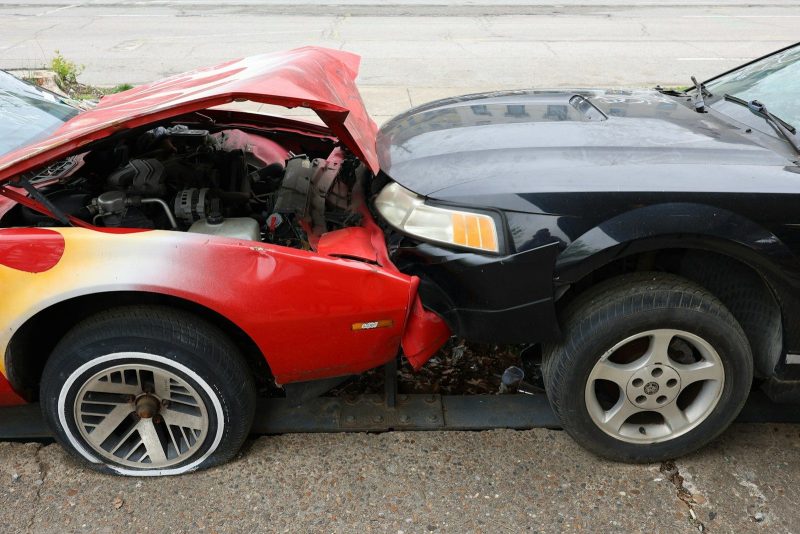
The brakes grab on an open highway with nothing in your lane. A second later, the car behind you crashes into your trunk, the officer is documenting a rear-end collision, and the trailing driver describes what happened from their windshield: the vehicle ahead slowed sharply for no apparent reason.
Automatic emergency braking, or AEB, is designed to prevent collisions by detecting potential obstacles and applying the brakes when a driver doesn’t respond in time. But some drivers have reported sudden braking when no immediate hazard was present, a problem commonly called phantom braking.
When an unexpected AEB activation contributes to a collision, determining who was responsible can become considerably more complicated.
The Feature Was Built to Prevent Rear-End Crashes
Automatic emergency braking has become a common safety feature because it can substantially reduce collisions. Research from the Insurance Institute for Highway Safety found that front crash prevention systems with automatic braking reduced police-reported rear-end crashes by approximately 50%, with an even greater reduction in rear-end crashes involving injuries.
AEB systems use cameras, radar, or other sensors to monitor the road ahead and identify potential collisions. When the system determines that a crash may be imminent, it can warn the driver and apply the brakes automatically. The technology is intended primarily to help prevent the equipped vehicle from striking something ahead, rather than directly protecting it from being struck from behind.
The federal government has also established requirements for AEB systems in new passenger vehicles, although implementation deadlines and regulatory details have been subject to further proceedings. The broader safety benefits are well documented, but that doesn’t mean every activation is appropriate.
When the Sensors Detect a Threat That Isn’t There
AEB systems must distinguish genuine collision hazards from objects and situations that don’t require emergency braking. Depending on the technology and operating conditions, unusual roadway geometry, vehicles in adjacent lanes, stationary objects, or other environmental factors can complicate that assessment. An incorrect interpretation may cause a system to warn or brake when the driver sees no immediate danger.
Federal regulators have investigated reports of unexpected automatic braking involving certain vehicle models. The National Highway Traffic Safety Administration also recognizes the importance of minimizing false activations when evaluating AEB performance. Complaints and investigations, however, don’t automatically establish that a particular system is defective or that every reported event involved the same cause.
When unexpected braking precedes a collision, investigators must determine whether the AEB system actually activated, whether another vehicle or roadway condition triggered it, and whether the driver also applied the brakes. A sudden stop alone doesn’t establish that the technology malfunctioned.
A Rear-End Collision Doesn’t Always Have One Answer
Rear-end crashes frequently involve questions about following distance, driver attention, and whether the trailing motorist had a reasonable opportunity to stop. Some states recognize a rebuttable presumption or inference of negligence against the following driver, while others evaluate responsibility under different legal standards. The circumstances of an unexpected stop may be relevant, but the outcome depends on the jurisdiction and available evidence.
A phantom-braking event doesn’t automatically excuse the trailing driver. Motorists generally have a responsibility to maintain a safe following distance and respond to changing traffic conditions, including unexpected slowing. At the same time, an unnecessary emergency-braking event may raise questions about vehicle performance, the lead driver’s conduct, or a potential product defect.
Experienced car accident attorneys may examine those competing explanations when evaluating liability. Depending on the evidence, an investigation could involve the following driver’s actions, the lead vehicle’s braking behavior, and whether the AEB system operated as intended. Establishing a malfunction requires more than a driver’s recollection that the car braked unexpectedly.
What the Vehicle May Have Recorded
Modern vehicles can contain electronic information that helps reconstruct the moments before a crash. An event data recorder, when equipped and triggered by a qualifying event, may preserve information about vehicle speed, braking, and other operating conditions. But EDR capabilities vary, and the records don’t necessarily distinguish an automatic braking command from a driver’s use of the brake pedal.
Some vehicles may retain additional information in driver-assistance modules, diagnostic systems, or manufacturer-managed records. Depending on the model, that information could help establish whether AEB was active or whether a relevant fault was detected. Other vehicles may not preserve a detailed record of the system’s decision-making, and forward-facing camera footage isn’t necessarily recorded or available for later retrieval.
Evidence from outside the vehicle may also help. A trailing driver’s dashcam, nearby traffic cameras, witness accounts, and physical evidence can provide context for the braking event. Even footage showing an apparently clear road doesn’t prove an AEB malfunction, but it may help investigators evaluate the driver’s account against the vehicle’s available electronic records.
Preserve the Evidence Before Repairs Begin
After a serious collision, electronic evidence can become harder to access as vehicles are repaired, transferred to salvage facilities, or subjected to diagnostic work. Some crash-related records may remain protected, while other information may be temporary or unavailable without specialized equipment. The appropriate preservation process depends on the vehicle and the systems involved.
Several steps may help protect potentially useful evidence:
- Document what happened. Record the location, road conditions, speed, warning messages, and whether the vehicle appeared to brake without driver input.
- Preserve the vehicle’s condition. Before repairs or disposal, ask about arranging an appropriate inspection and retaining potentially relevant electronic information.
- Save available footage. Preserve dashcam recordings and identify nearby cameras or witnesses who may have captured the collision.
- Check for relevant safety information. Review manufacturer communications, recalls, and NHTSA complaints involving the specific vehicle model, while recognizing that similar reports don’t establish the cause of an individual crash.
A qualified vehicle-forensics specialist may be needed to determine which records exist and how to retrieve them without unnecessarily altering the evidence. Owners shouldn’t attempt to disconnect electronic modules or interfere with damaged vehicle systems themselves.
Automatic emergency braking prevents many crashes, but an unexpected activation can create a different kind of danger. When a vehicle brakes sharply without an apparent hazard, the resulting collision deserves more than an assumption about which driver was at fault. A careful investigation can help determine whether the stop resulted from driver behavior, roadway conditions, or a safety system that didn’t operate as intended.