
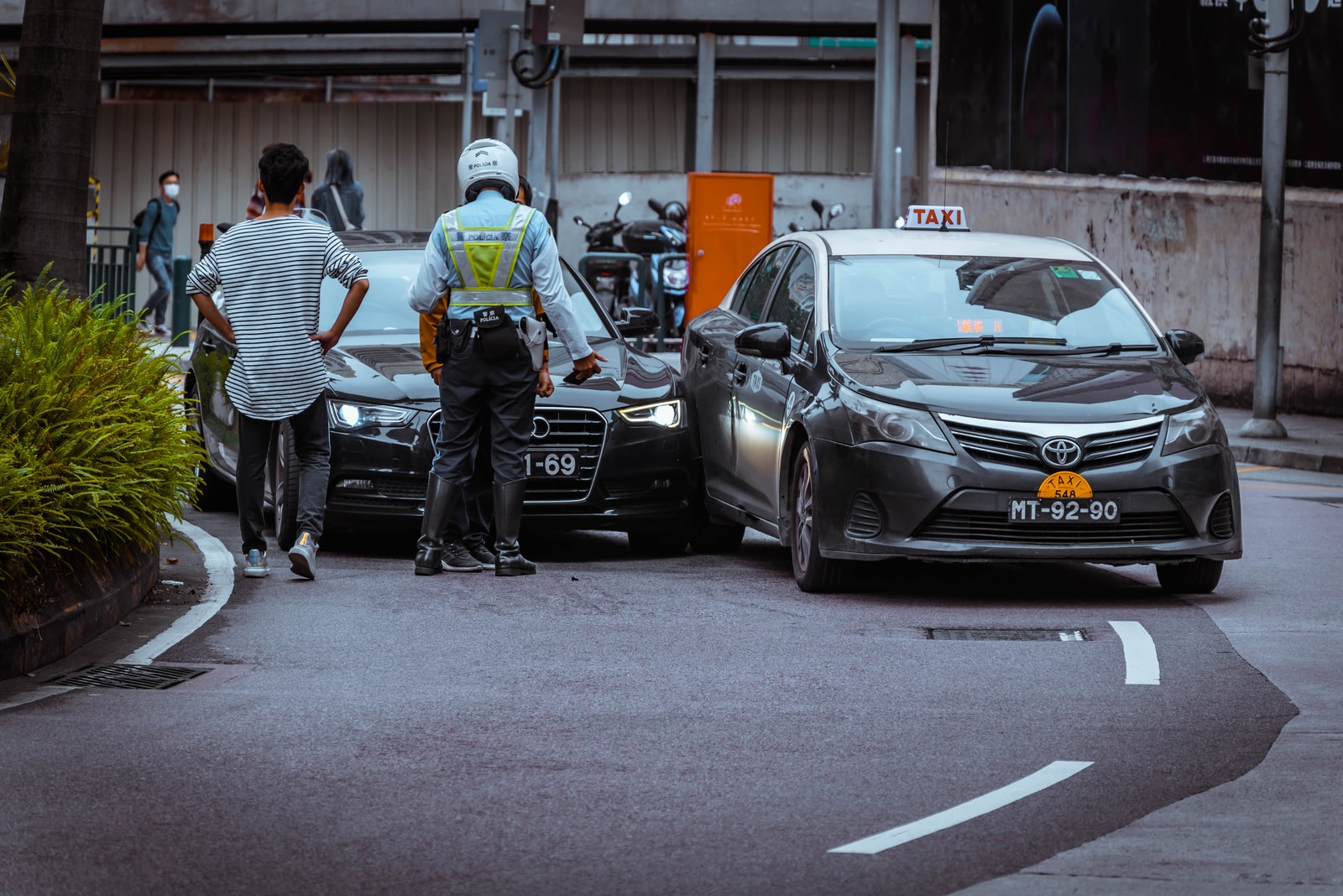
Self-driving vehicles were once the currency of science fiction, but today they are increasingly becoming a reality. Recent government legislation has legalized the use of self-driving cars on UK roads – but what does this mean, and what does it mean for the thousands of road accidents that occur each year?
Driving Autonomy Explained
In truth, autonomous vehicles are a little more complicated than the moniker ‘self-driving car’ suggests. Despite decades of research and public enthusiasm for the idea, vehicular autonomy is an emerging field that evolves with the growth of technology, and true vehicle autonomy is a long way away. There are also different levels of vehicle autonomy, boundaries for which were outlined by the Society of Automotive Engineers in 2014.
According to the SAE’s Levels of Automated Driving standard, there are six levels to vehicle autonomy, from Level 0 to Level 5. Levels 0 to 2 require active driver participation and supervision at all times, and the driver is considered to be driving when behind the wheel; levels 3 to 5 may require driver intervention, but do not class the person in the driver’s seat as ‘driving’ when engaged.
The highest level of autonomy achieved commercially is level 3, described as ‘conditional driving automation. Though recently road legal, there are still considerable restrictions on the usage of level 3 vehicles, including the prohibition of usage of autonomous features on roads with a speed limit above 37mph. Experimentation with level 4 technology is underway, but level 4 and 5 autonomous vehicles do not currently exist.
Accidents in Autonomous Vehicles
Technically speaking, vehicles with autonomous capabilities have existed since the introduction of cruise control. But recent concern over the role autonomous vehicles could play in accidents has come with the introduction of advanced level 2 and 3 autonomous technologies, wherein acceleration, braking, and steering are also controlled.
Though some attention was given to the issue during Google’s early testing of autonomous technology in 2016, it is commercial electric car manufacturer Tesla that has sparked serious debate over the role of autonomous vehicles in accidents. Tesla vehicles have been at the center of a number of fatal car accidents in the US, including one in August 2021 where two men died as a result of Tesla’s Autopilot function failing to account for a bend in the road.
Who’s At Fault?
Even with the occurrence of accidents directly implicated autopilot features, it is difficult to directly ascribe overall fault. Each accident has its own mitigating factors; for example, in the aforementioned Tesla accident, the victims were found in passenger seats, indicating they were in no position to re-assume control of the vehicle in event of an emergency.
Autonomous vehicles represent a new challenge to both civil and criminal legal proceedings. If you personally found yourself in an accident involving an autonomous vehicle, consultation with a personal injury solicitor would enable you to get a more nuanced understanding of your rights as a victim. In the meantime, the number of autonomous vehicles continues to grow – and, though largely a safe mode of travel, it is the rare instances that raise broader questions about the liability of the manufacturer over the driver. As things stand, the fault more commonly rests with the responsible occupant of the vehicle, owing to the majority of autonomous vehicles requiring driver supervision.